overview
Department of Botany
The Department of Botany offers a comprehensive undergraduate programme focused on plant sciences — from microscopic organisms to flowering plants, ecology, genetics, and biotechnology. The department provides well-equipped laboratories and an industry-oriented syllabus supported by add-on short-term certificate courses, preparing students for careers in science, research, and industry.
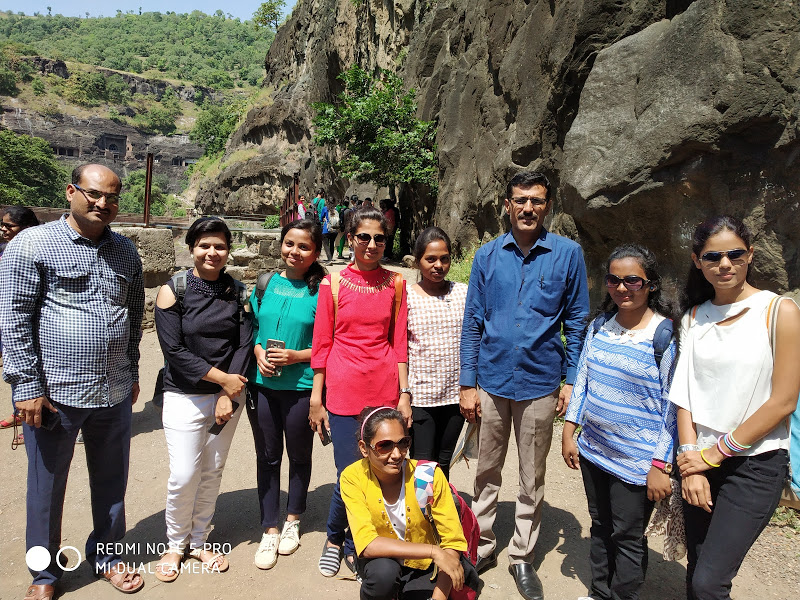
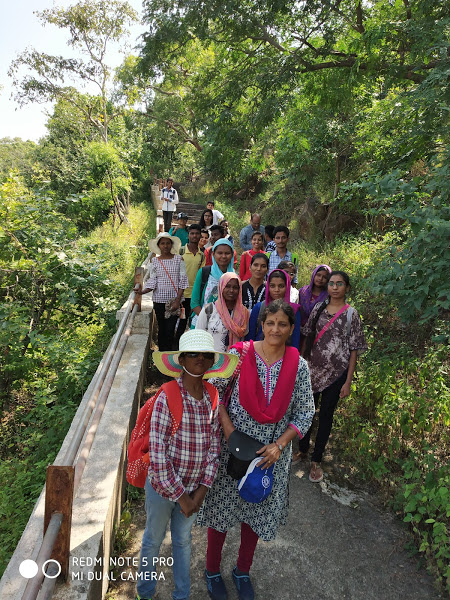
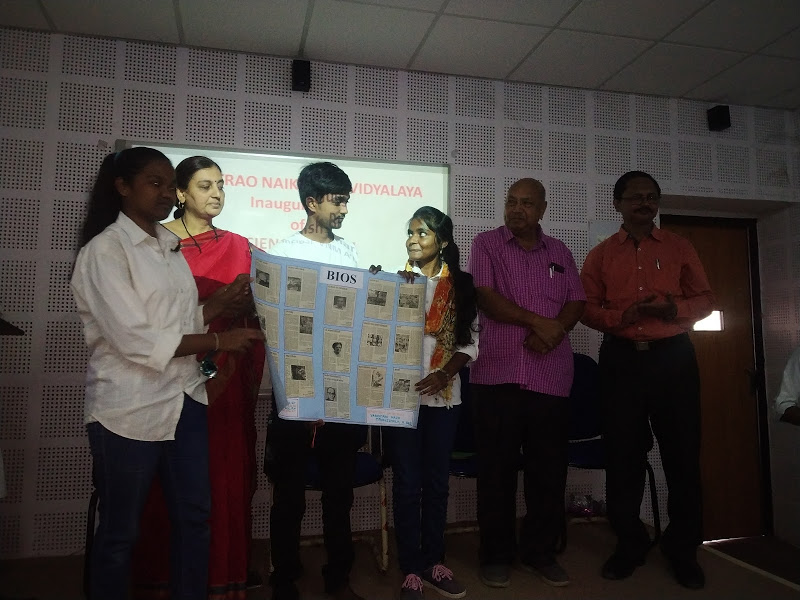
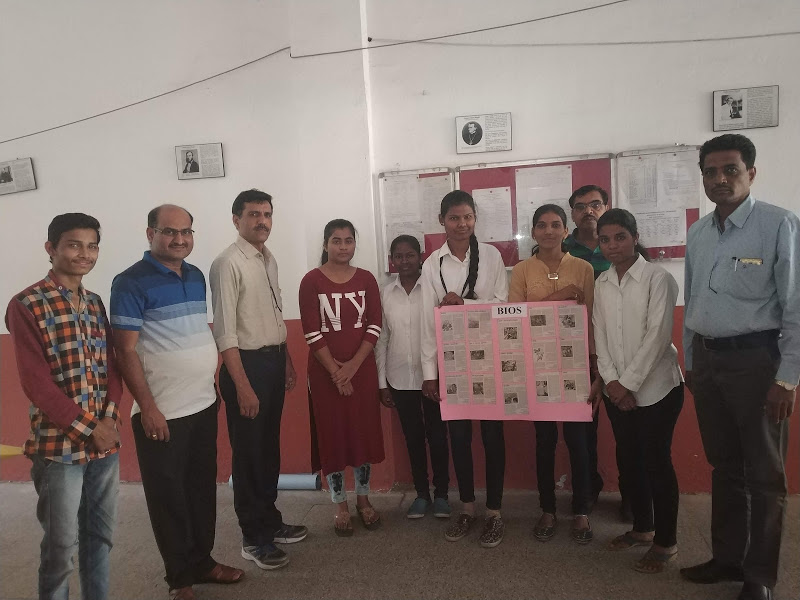
Students are encouraged to develop scientific temperament through field visits, seminars, wall magazine publications, and practical laboratory training using modern botanical tools and techniques.
Head of department

Dr. V. C. Khilare
M.Sc. (Botany) | Professor & Head
department shedule
Mon – Tue
10:00 AM – 5:00 PM
Wed- Thu
10:00 AM – 5:00 PM
Friday
10:00 AM – 5:00 PM
2nd and 4th Sat
Open
Sunday
Closed
What We Offer
Programmes Offered
Curriculum
Teaching Syllabus
Programme Outcomes
Course / Outcome
Outcome Statements
First Year (F.Y. B.Sc.) Sem I — Diversity of Cryptogams I
Microscopic plants — viruses, bacteria, algae, fungi; structure, life cycles, useful and harmful activities; biodiversity of fungi and their economic importance.
First Year (F.Y. B.Sc.) Sem I — Morphology of Angiosperms
Basic body plan of flowering plants; morphology of vegetative and reproductive organs; fruit and seed types.
First Year (F.Y. B.Sc.) Sem II — Diversity of Cryptogams II
First land plant groups — Bryophyta and Pteridophyta; morphological diversity and economic importance.
First Year (F.Y. B.Sc.) Sem II — Histology, Anatomy & Embryology
Internal structure of plants; tissue systems; secondary growth; pollination, fertilisation, endosperm, and embryogeny.
Second Year (S.Y. B.Sc.) Sem III — Taxonomy of Angiosperms
Conceptual development of taxonomy and systematics; phylogeny and classification of angiosperms; biologically important families; floral variations and evolution.
Second Year (S.Y. B.Sc.) Sem III — Plant Ecology
Environmental influences on organisms, populations, communities, and ecosystems; application of ecological knowledge to environmental management.
Second Year (S.Y. B.Sc.) Sem IV — Gymnosperms & Utilisation of Plants
Diversity of gymnosperms; evolutionary trends; role of plants in human welfare; economic and chemical utility of plant resources.
Second Year (S.Y. B.Sc.) Sem IV — Plant Physiology
Biochemical nature of cells; biomolecules and enzymes; water absorption and plant movements; photosynthesis (C3, C4 pathways); aerobic and anaerobic respiration.
Third Year (T.Y. B.Sc.) Sem V — Cell Biology & Molecular Biology
Prokaryotic and eukaryotic cell structure; cell organelles; nucleus; cell division; DNA and RNA organisation; chromosome structure, aberrations, and functions.
Third Year (T.Y. B.Sc.) Sem V — Diversity of Angiosperms I
Methodology in taxonomy; biodiversity conservation; botanical regions of India; vegetation types of Maharashtra; bioremediation and climate change.
Third Year (T.Y. B.Sc.) Sem V — Genetics & Biotechnology
Principles of genetics; biotechnology applications; creative solutions to real-world problems in life sciences.
Third Year (T.Y. B.Sc.) Sem V — Diversity of Angiosperms II
Advanced taxonomy and systematics; phylogeny and classification of angiosperms; plant nomenclature; evolutionary trends in angiosperm families.
Upon completion of the B.Sc. Botany programme, graduates will be able to:

Departmental Events
Recent Activities
Our Graduates
Alumni Voices
Our graduates have gone on to lead in industry, academia, and research. Discover the journey of our alumni and how they are shaping the world.
Gallery