overview
About Department of Chemistry
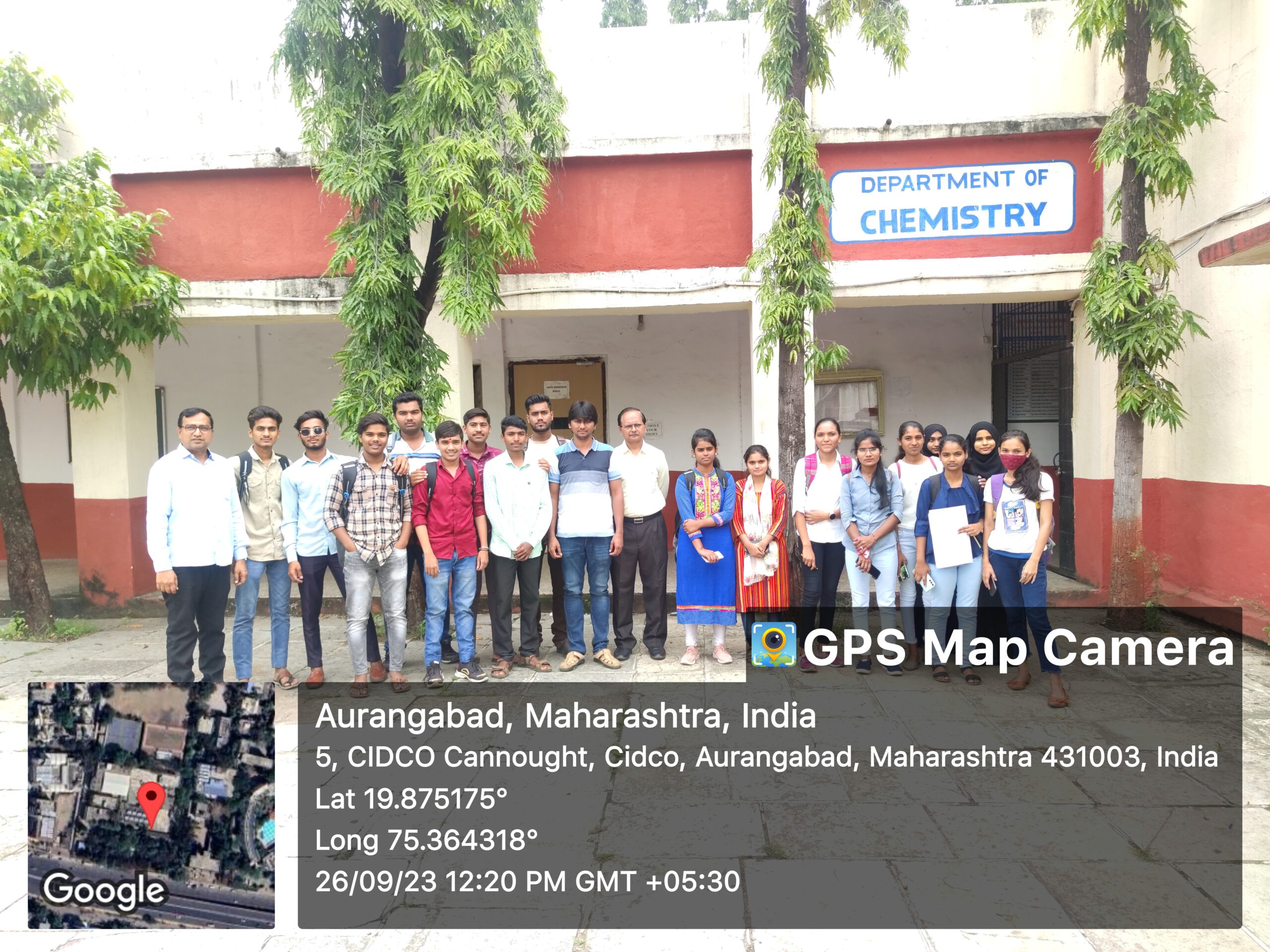
The Department of Chemistry was established in 1989 with one faculty member and 60 students. Today, the department has grown to over 250 students and four active faculty members. It houses well-equipped laboratories for Physical and Qualitative Chemistry, a storeroom, a staff room, and a departmental library with more than 300 books, journals, and theses for UG, PG, and research students.
The department holds a Ph.D. Research Centre recognised by Dr. Babasaheb Ambedkar Marathwada University (BAMU), Aurangabad, since June 2014. Six faculty members hold Ph.D. degrees, two are SET qualified, and one is NET qualified. Four teachers are recognised Ph.D. guides for PG teaching at BAMU.
Faculty have published more than 300 research papers in national and international journals. Nine minor and one major UGC-funded research projects have been completed; one major DST-funded project (Fast Track Young Scientist Scheme) is ongoing. The department has organised two UGC-funded National Conferences and two regional workshops, and has MoUs with institutions including Ferguson College Pune, Milind College of Science Aurangabad, and research organisations ACTRA and Microlab Surat.
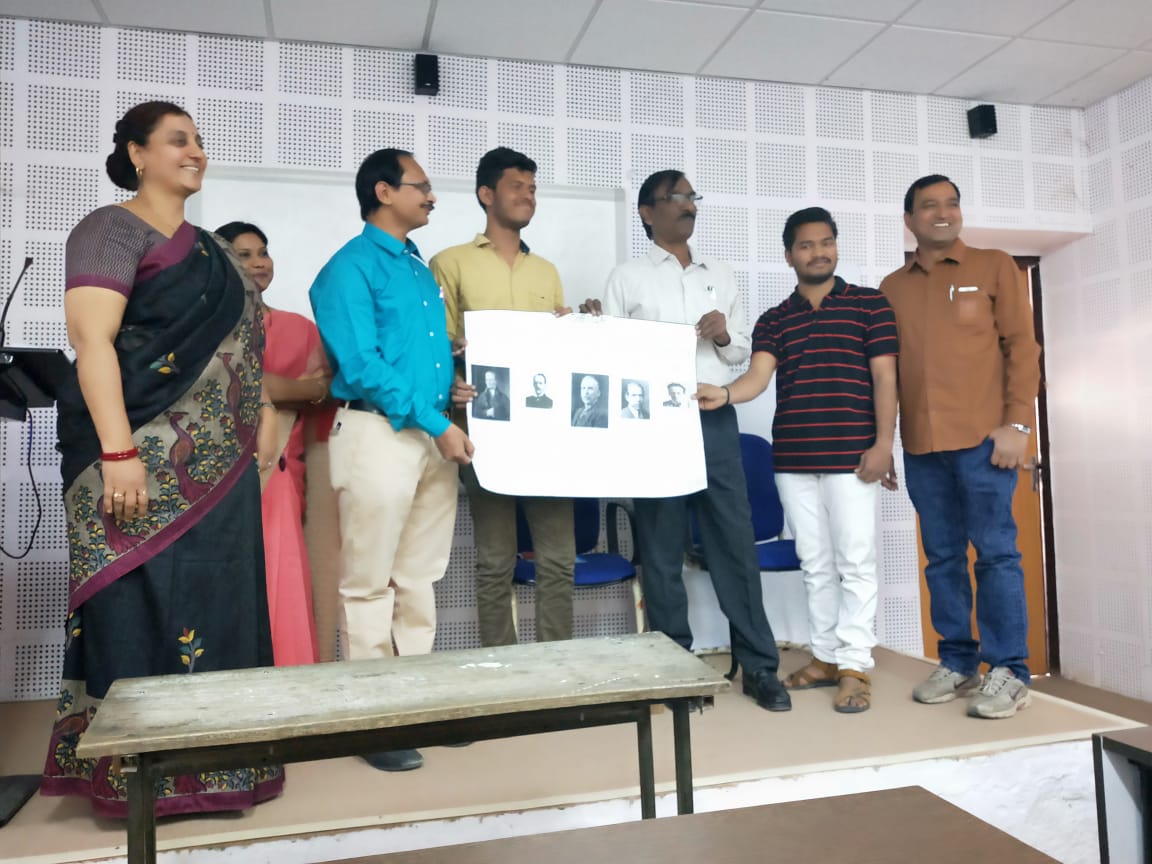
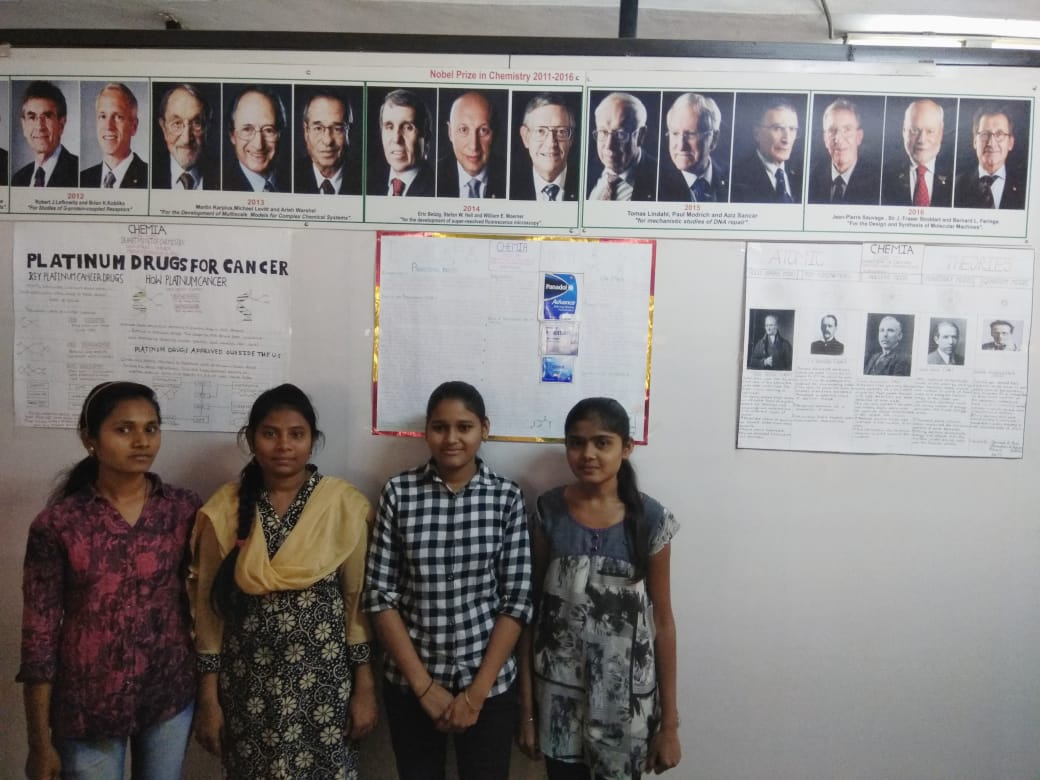
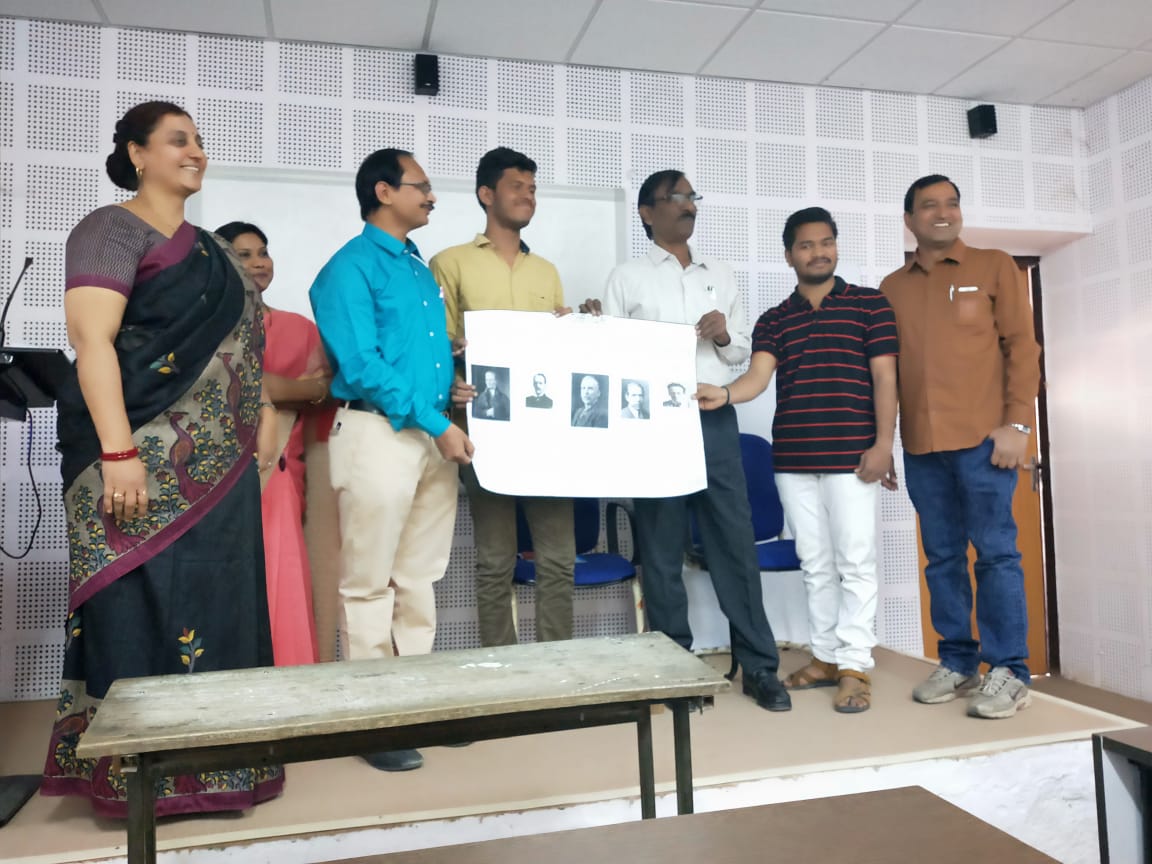
Students engage in group discussions, seminars, science quizzes, and guest lectures. They also publish a departmental wall magazine called “Chemia.”
Head of department

Prof. Dr. J. V. Bharad
M.Sc., SET, Ph.D. | Specialisation: Organic Chemistry
department shedule
Mon – Tue
10:00 AM – 5:00 PM
Wed- Thu
10:00 AM – 5:00 PM
Friday
10:00 AM – 5:00 PM
2nd and 4th Sat
Open
Sunday
Closed
What We Offer
Programmes Offered
Curriculum
Teaching Syllabus
Programme Outcomes
Course / Outcome
Outcome Statements
Inorganic Chemistry (Paper I)
Fundamental concepts and principles essential to chemistry; atomic structure, periodic properties, chemical bonding.
Organic Chemistry (Paper II)
Predict organic reaction outcomes; understand nomenclature, stereochemistry, and reaction intermediates.
Physical Chemistry (Paper IV)
Nature and purity of crystals; states of matter; intermolecular forces; structure of solids.
Lab Course (Papers III, VI, IX, XII)
Qualitative analysis of organic compounds; gravimetric and volumetric analysis; analytical techniques.
M.Sc. Analytical Chemistry (CHE-101)
Spectroscopic methods; separation and chromatographic techniques; statistical treatment of data.
M.Sc. Organic Chemistry (CHE-103)
Organic reaction mechanisms; nucleophilic and electrophilic substitution; stereochemistry.
M.Sc. Physical Chemistry (CHE-104)
Chemical dynamics; thermodynamics; electrochemistry; surface chemistry.
Spectroscopic Methods (CHE-205)
UV, IR, NMR, Mass and C-13 spectroscopy; photoelectron spectroscopy; thermal analysis.
Medicinal Chemistry (CHEO-420)
Synthesis and properties of medicinal drugs; pharmacokinetics and pharmacodynamics.
Organic Synthesis (CHE-314)
Organometallic reagents; oxidation-reduction reactions; retrosynthetic analysis
Upon completion of B.Sc. / M.Sc. Chemistry, graduates will be able to
Our Faculty
Teaching Staff
No faculty found for this department.
Departmental Events
Recent Activities
Our Graduates
Alumni Voices
Our graduates have gone on to lead in industry, academia, and research. Discover the journey of our alumni and how they are shaping the world.
Gallery